October 2026 · Highlight · 15 accepted abstracts at AD/PD 2027 Barcelona · 29 papers accepted at NeurIPS 2026 across 10 workshops View publications →
Alzheimer's Research · For Every Family

For every family the next diagnosis is coming for.

Scientists Reversed Alzheimer's in Mice. We're Building the Bridge. The mouse study is by the Pieper lab at Case Western (Cell Reports Medicine, 2025) — their work, not ours. The gap between a mouse study and a human therapy is the bridge we are building: sixteen hypotheses certified at AAIC 2026, ready for their first lab tests.

Every family the next diagnosis is coming for is waiting for the same thing: someone to test the ideas honestly, and to publish what works and what doesn't.

David Scott Lewis

Founder, The Reversal Initiative · Former EVP, META Group (now part of Gartner) · AI Researcher Since the 1990s · 20+ Peer-Reviewed Bio Papers

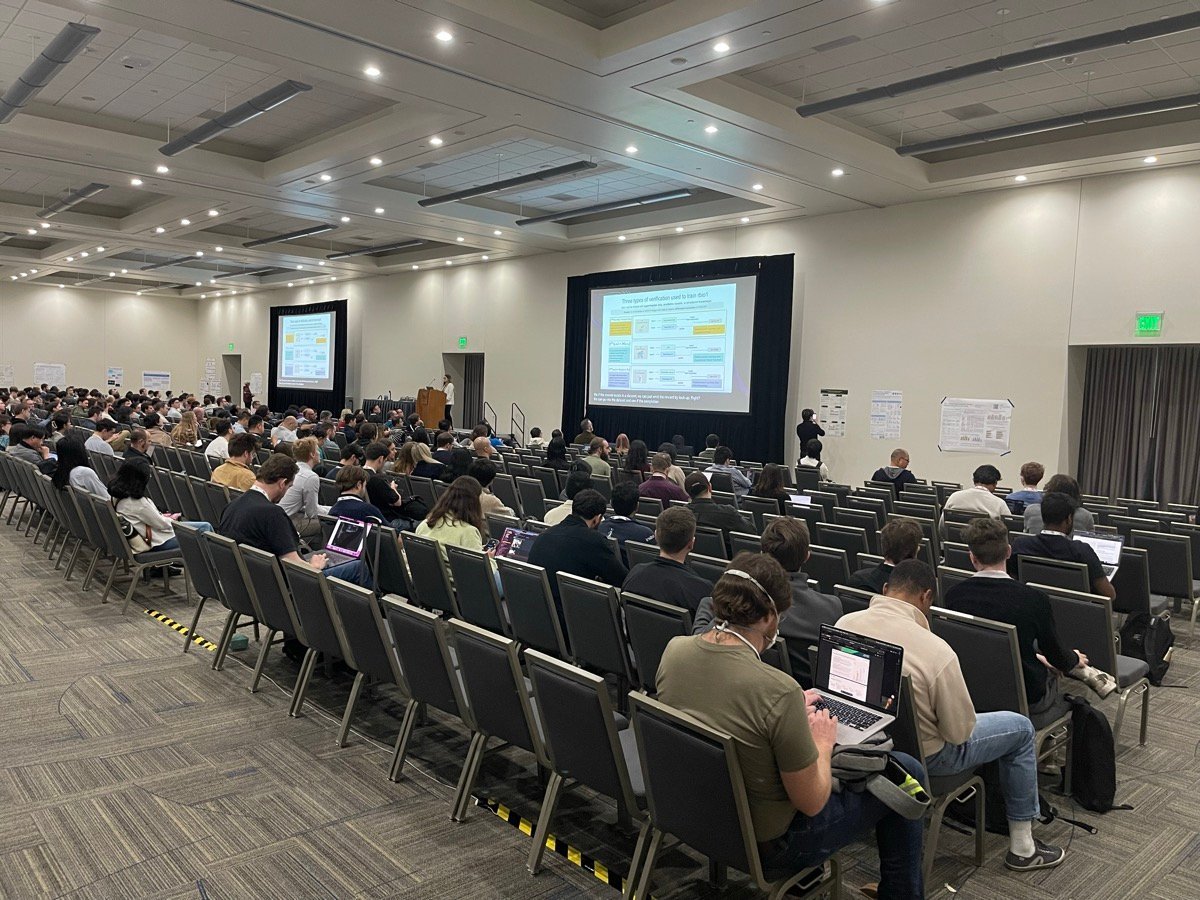
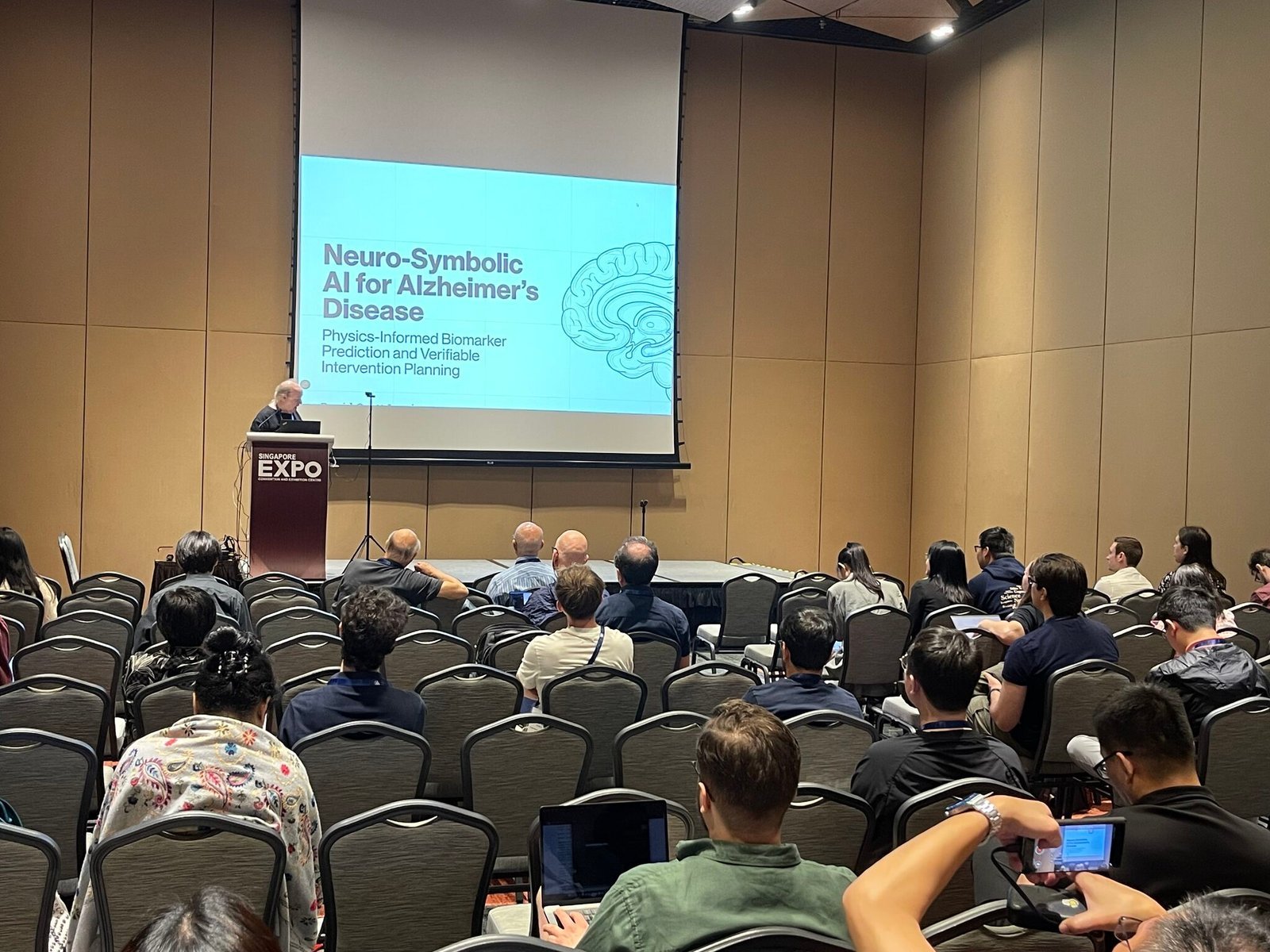
David Scott Lewis delivering oral presentation on Neuro-Symbolic AI for Alzheimer's Disease at AAAI-26, Singapore Expo
AAAI-26 Bridge Program · Singapore · Oral Presentation
AAAI is one of the world's top artificial-intelligence conferences.

"Neuro-Symbolic AI for Alzheimer's Disease" — Physics-Informed Biomarker Prediction & Verifiable Intervention Planning

Former EVP, META Group (now part of Gartner) · 28+ Bio Papers · AI Since the 1990s
Live from the world's top AI venues

Our Team at the World's Most Selective Venues

55M
People living with dementia worldwide
15
Abstracts accepted at AD/PD 2027
10+
Druggable targets in the NAD+ pathway
37+
Pipeline modules built and validated
28+
Peer-reviewed bio papers at top conferences
30+
Years of AI research experience

Three Steps from Hypothesis to Lab Test

Every tool we build is peer-reviewed. Together they take a hypothesis from target screening to a candidate ready for lab testing.

SCREEN Targets

AI-driven target identification across the NAD+ biosynthesis pathway. Our models evaluate binding affinity, selectivity, and blood-brain barrier penetration to prioritize the most promising intervention points.

BUILD Molecules

Generative chemistry pipelines that design novel neuroprotective compounds. Each candidate is optimized for drug-likeness, synthesizability, and predicted efficacy against validated Alzheimer's mechanisms.

VERIFY Safety

Multi-scale toxicity prediction before any compound reaches a living cell. Off-target binding, hepatotoxicity, cardiotoxicity, and mutagenicity are all flagged computationally — reducing animal testing and accelerating timelines.

Peer-Reviewed Finding

P7C3-A20 Reverses Alzheimer's Pathology in Mice

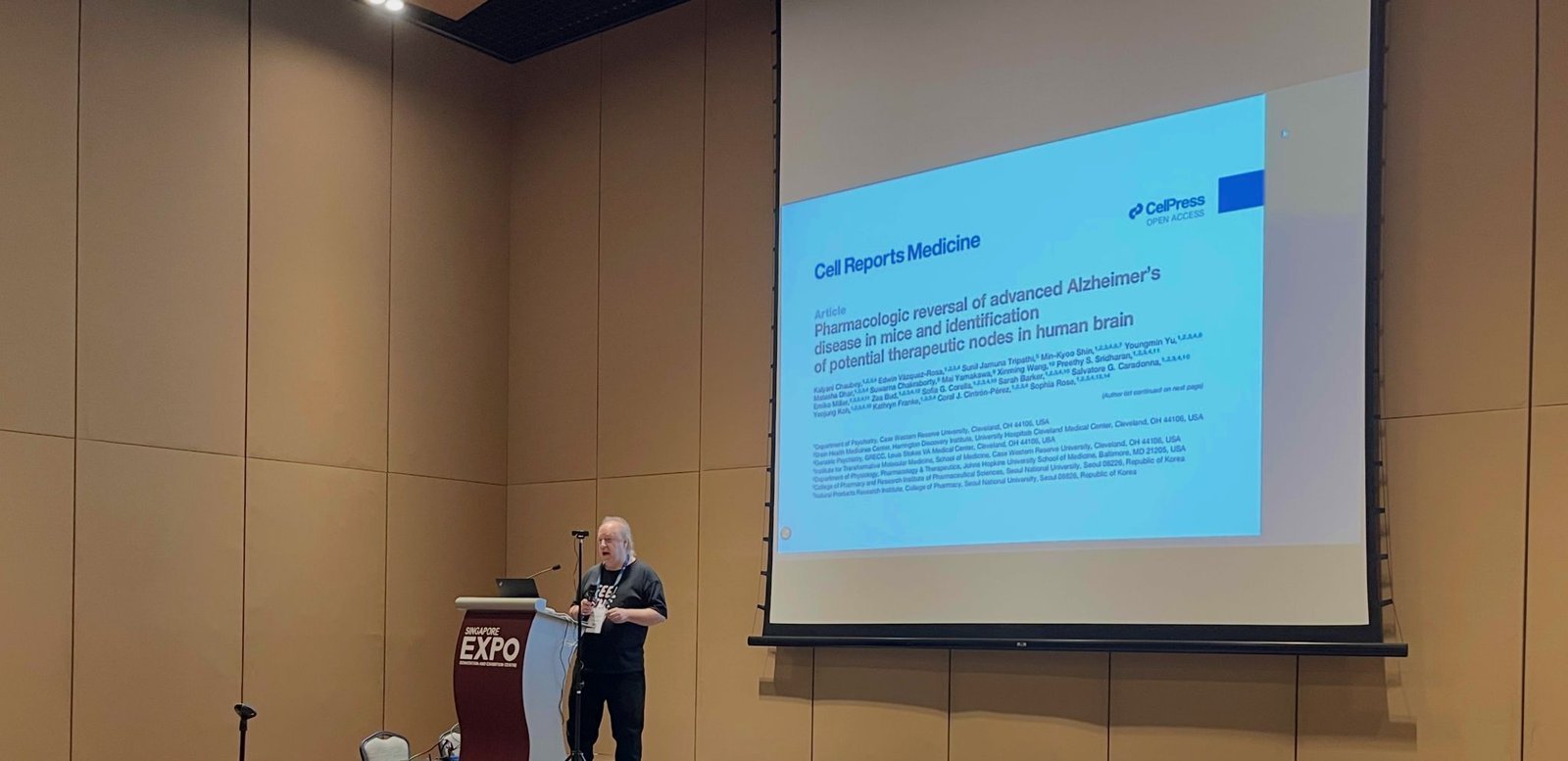
David Scott Lewis discussing the Case Western Cell Reports Medicine study (Pieper lab) at AAAI-26, Singapore Expo
Cell Reports Medicine · January 2026 — David discussing the foundational Alzheimer's paper by Chaubey K., Vázquez-Rosa E., et al. at AAAI-26, Singapore Expo — authors: Case Western Reserve University, Johns Hopkins, Seoul National University.

Published in Cell Reports Medicine (2025), researchers demonstrated that the P7C3-A20 compound — an NAD+ pathway activator — reversed cognitive decline, reduced amyloid plaques, and restored synaptic function in Alzheimer's mouse models. This is the foundational biology our AI tools are built to accelerate.

Our key application is Alzheimer's reversal, within the broader area of drug design and biological discovery.

DOI: 10.1016/j.xcrm.2025.102535

⚠ Authors: Chaubey K., Vázquez-Rosa E., et al., Case Western Reserve University et al. — This paper is not authored by Neurodegenerative Reversal Research Foundation or AIXC. It is the foundational discovery our computational platform is built to build upon and accelerate.

16 Certified AAIC 2026 Posters · 15 Accepted AD/PD 2027 Abstracts · Alzheimer's Research First

16 abstracts certified by the Alzheimer's Association at AAIC 2026, London. 15 accepted abstracts at AD/PD 2027, Barcelona. Methods grounded in 29 NeurIPS 2026 workshop papers across drug discovery and biomedical AI.

16
16 abstracts as In-Person Posters — all certified by the Alzheimer's Association. London · July 2026.
Alzheimer's Association International Conference
The world's leading Alzheimer's research conference. Every abstract peer-reviewed and certified by the Alzheimer's Association.
AAIC 2026 portfolio →
15
15 abstracts accepted for AD/PD™ 2027 — Barcelona, 16–20 March 2027. Alzheimer's & Parkinson's Diseases International Conference.
Accepted — not yet presented
5 by David Scott Lewis, 5 by Enrique Zueco, 5 by Haley Yi. The leading conference on Alzheimer's and Parkinson's disease research.
View AD/PD 2027 abstracts →
29
29 papers accepted across 10 NeurIPS 2026 workshops — drug discovery, biomedical reasoning, causal discovery.
#1 Google Scholar · h5-index 337
Top-ranked AI conference. The AI method behind our Alzheimer's research — 29 accepted papers across 10 NeurIPS 2026 workshops.
View NeurIPS 2026 papers →
5
Drug discovery & Alzheimer's AI — AAAI 2026 Bridge Program & LMReasoning workshops. 1 oral presentation.
#4 Google Scholar · h5-index 212
Official AAAI site →
3
Generative AI for molecular drug discovery — Alzheimer's targets.
Workshop at ICLR 2026
Workshop at ICLR 2026 focused on generative AI for experimental sciences and molecular discovery.
MLGenX workshop →
6
Applied AI for science — 2 oral presentations on Alzheimer's & cancer.
Peer-reviewed AI × Science
International AI for Science conference held in Ljubljana, Slovenia. Bridges AI with biology, chemistry & medicine. Rigorous peer review.
Conference site →
1
ML4Molecules Workshop — molecular drug discovery.
Europe's top AI research network
European Laboratory for Learning & Intelligent Systems — Europe's equivalent to MIT's AI Lab. Members include Yoshua Bengio (Turing Award).
ML4Molecules workshop →
1
Agents4Science Workshop — AI agents for scientific discovery.
Stanford University · Nobel laureate advisory
Hosted by Stanford University, one of the world's top research institutions. Workshop on autonomous AI scientists — the frontier of AI-driven discovery.
Stanford site →
Publishing alongside: Google DeepMind OpenAI Meta FAIR Microsoft Research Stanford MIT CMU
4 oral presentations + 2 spotlights at AI workshops
Someone is diagnosed every 3 seconds

AI Infrastructure That Accelerates Alzheimer's Research

Built on 28+ peer-reviewed bio papers and production-deployed platforms. Your support takes the first hypotheses from the computer to the lab.

Research partnerships · Tool development · Joint publications

Why we do this: David Scott Lewis lost his mother to Alzheimer’s, and his sister lives with it today.